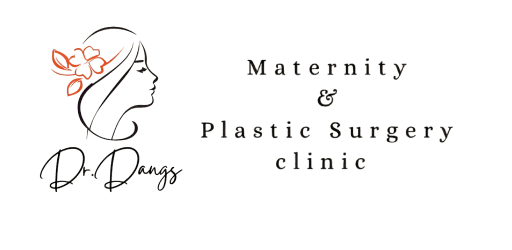
One of the most common questions people ask before considering any procedure is whether it is completely safe. The honest answer is that no surgical procedure can be considered 100% risk-free. However, advancements in modern medicine have significantly improved plastic surgery safety, making it a reliable and widely performed option today.
Understanding both the benefits and plastic surgery risks helps you make an informed decision. When performed by a qualified and experienced surgeon, most procedures are safe, and complications are rare. The key lies in proper planning, realistic expectations, and following medical guidance before and after surgery.
Why Do Kids Get Plastic Surgery?
Plastic surgery is not limited to adults. In many cases, children undergo procedures for medical or reconstructive reasons rather than cosmetic ones. These procedures aim to improve function, appearance, and overall quality of life.
Common reasons include:
- Correction of birth conditions like cleft lip or palate
- Treatment of burn injuries or trauma
- Repair of physical abnormalities that affect daily life
In such cases, plastic surgery safety is carefully evaluated, with doctors taking extra precautions due to a child’s developing body. While plastic surgery risks exist, they are minimized through proper planning and expert care.
How Risky Is Plastic Surgery?
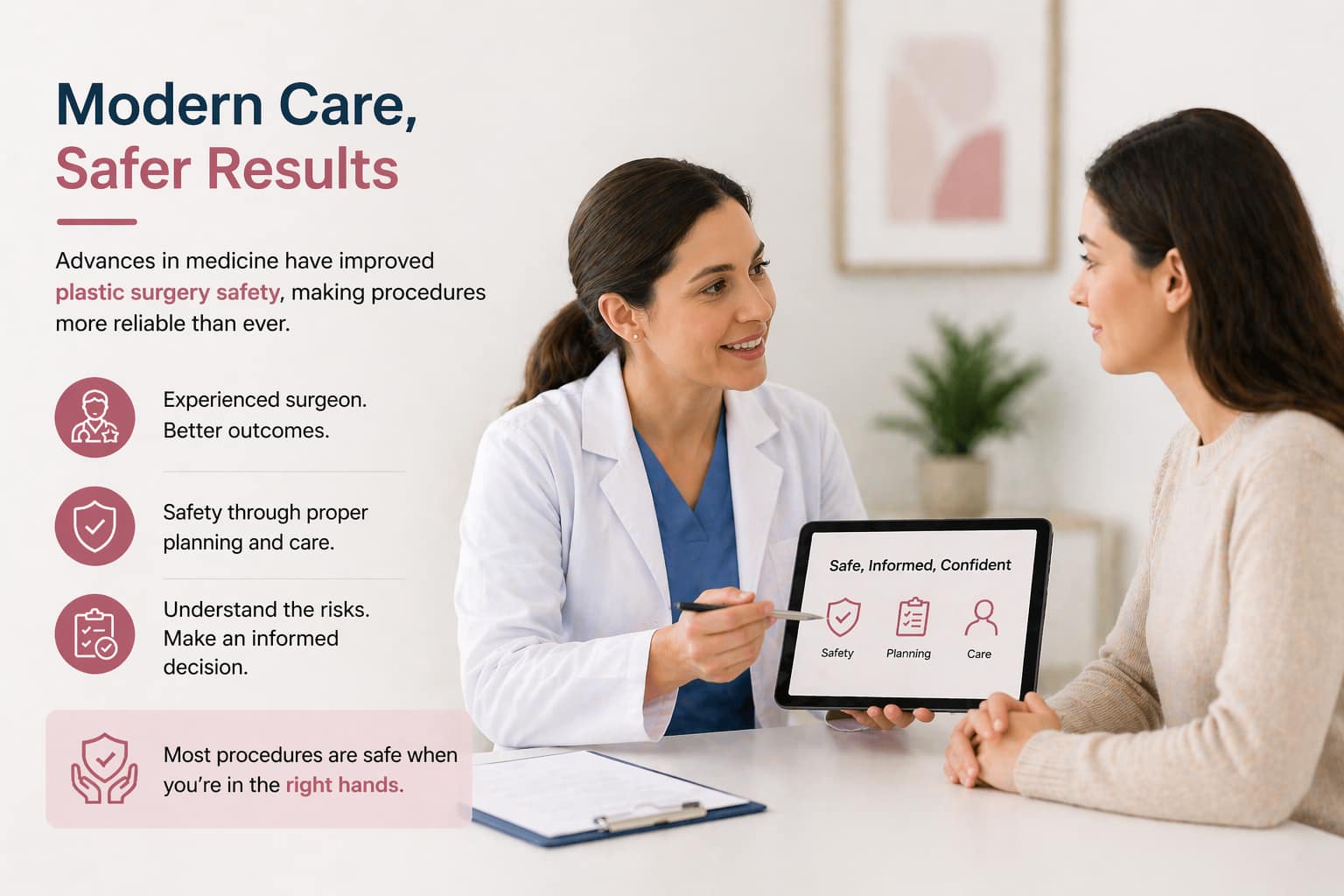
The level of risk varies depending on the type of procedure, the patient’s health, and the surgeon’s experience. In general, most cosmetic and reconstructive procedures have a strong safety record when performed under the right conditions.
Some common but temporary side effects include:
- Swelling and bruising
- Mild discomfort
- Temporary numbness
More serious plastic surgery risks, such as infection or complications from anesthesia, are rare but possible. This is why choosing the right surgeon and facility plays a major role in ensuring plastic surgery safety.
Patients who follow pre- and post-operative instructions carefully tend to have smoother recoveries and better outcomes.
What Surgery Has a 300% Mortality Rate?
You may come across alarming statistics online about certain procedures. However, the idea of a “300% mortality rate” is misleading and not medically accurate. Mortality rates cannot exceed 100%.
Some complex or emergency surgeries such as those involving severe trauma or critical conditions may have higher risks compared to elective procedures. However, these are not directly comparable to most cosmetic or reconstructive procedures.
In contrast, modern advancements have made plastic surgery safety much more reliable. Understanding real plastic surgery risks instead of exaggerated claims helps patients make informed decisions without unnecessary fear.
What Are the Top 3 Riskiest Surgeries?
Certain surgeries are considered riskier due to their complexity and the vital systems they involve. These typically include:
- Heart surgery – due to its impact on critical bodily functions
- Brain surgery – because of its complexity and sensitivity
- Organ transplants – involving immune response and long recovery
Compared to these, most cosmetic procedures have lower plastic surgery risks. With proper care, experienced professionals, and modern techniques, plastic surgery safety continues to improve significantly.
Factors That Influence Plastic Surgery Safety
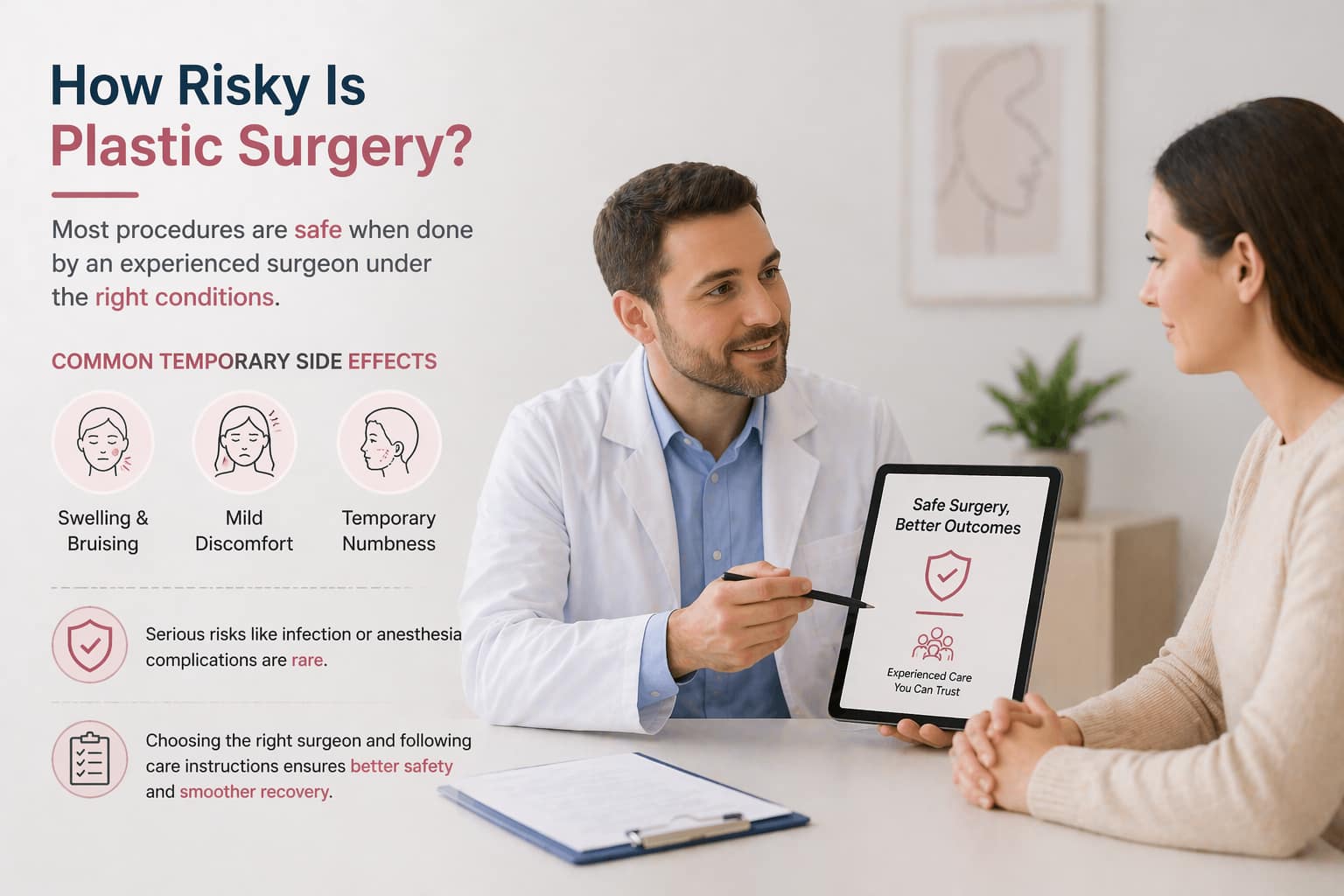
Several key factors determine how safe a procedure will be:
- The experience and qualifications of the surgeon
- The quality of the medical facility
- The patient’s overall health condition
- Proper pre-surgical evaluation
- Following post-operative care instructions
When all these elements are in place, plastic surgery safety is greatly enhanced, and plastic surgery risks are minimized.
Final Thoughts
Plastic surgery is not completely risk-free, but it is far safer today than it was in the past. Understanding plastic surgery safety allows you to approach the procedure with confidence, while being aware of plastic surgery risks helps you stay prepared.
The most important step is choosing a skilled and experienced professional who prioritizes patient safety. Along with this, following medical advice and maintaining realistic expectations can make a significant difference in your overall experience.
With the right approach, plastic surgery can offer both functional and aesthetic benefits while maintaining a high level of safety. It is not about eliminating risk entirely it’s about managing it wisely to achieve the best possible results.
FAQs
1. Is plastic surgery 100% safe?
No, but it is generally safe when performed by qualified professionals.
2. What are common plastic surgery risks?
Swelling, bruising, infection, and anesthesia-related issues are possible but usually rare.
3. How can I improve plastic surgery safety?
Choose an experienced surgeon and follow all medical advice carefully.
4. Are all plastic surgeries risky?
No, most procedures are low-risk when done under proper conditions.
5. Why is understanding risks important?
It helps you make informed decisions and prepare for a smooth recovery.