
Liposuction is one of the most popular cosmetic procedures for body contouring, especially for people struggling with stubborn fat that doesn’t respond to diet or exercise. As a fat removal surgery, it is designed to target specific areas of the body and improve overall shape and proportion.
During the procedure, fat cells are physically removed from the treated areas using advanced techniques. This means those particular fat cells are permanently eliminated. Because of this, many people see long-lasting improvements in their body shape. However, while the treated fat cells do not come back, maintaining those liposuction results depends on your lifestyle after the procedure.
Will Fat Come Back After Liposuction?
One of the most common concerns people have is whether fat will return after liposuction. The answer is both simple and important to understand. The fat removed during the procedure does not grow back in the same area. However, the body still contains other fat cells, and if you gain weight, those cells can expand.
For example, if you had fat removed from your abdomen but later gained weight, the fat might accumulate in other areas like the thighs, arms, or back. This is why maintaining a stable weight is key to preserving your liposuction results.
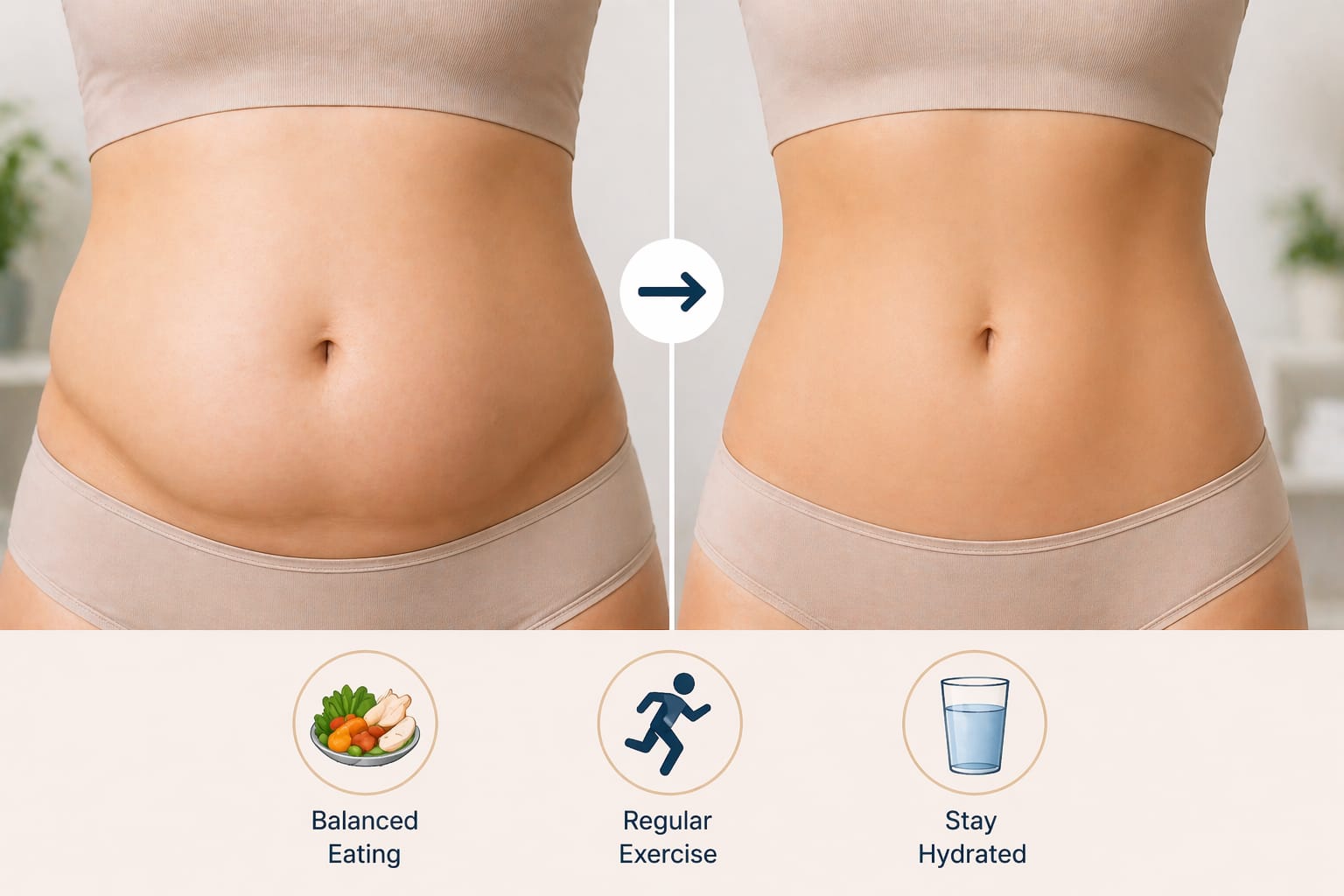
Adopting healthy habits such as balanced eating, regular exercise, and staying hydrated can help you maintain your results for many years.
How Long Does Fat Liposuction Last?
Liposuction offers long-term results because it is a fat removal surgery that permanently removes targeted fat cells. Many patients enjoy the benefits of the procedure for years, and in some cases, the results can last a lifetime.
However, it’s important to remember that the natural aging process continues. Over time, your skin may lose elasticity, and your body composition may change slightly. These changes are normal and happen regardless of whether you’ve had the procedure.
If you maintain a healthy lifestyle, your results will remain noticeable and consistent. This is why liposuction is often seen as a long-term investment in body contouring rather than a temporary solution.
What Is the Downside of Liposuction?
While liposuction is effective, it’s important to understand its limitations. Like any medical procedure, it comes with certain considerations.
Some of the common downsides include:
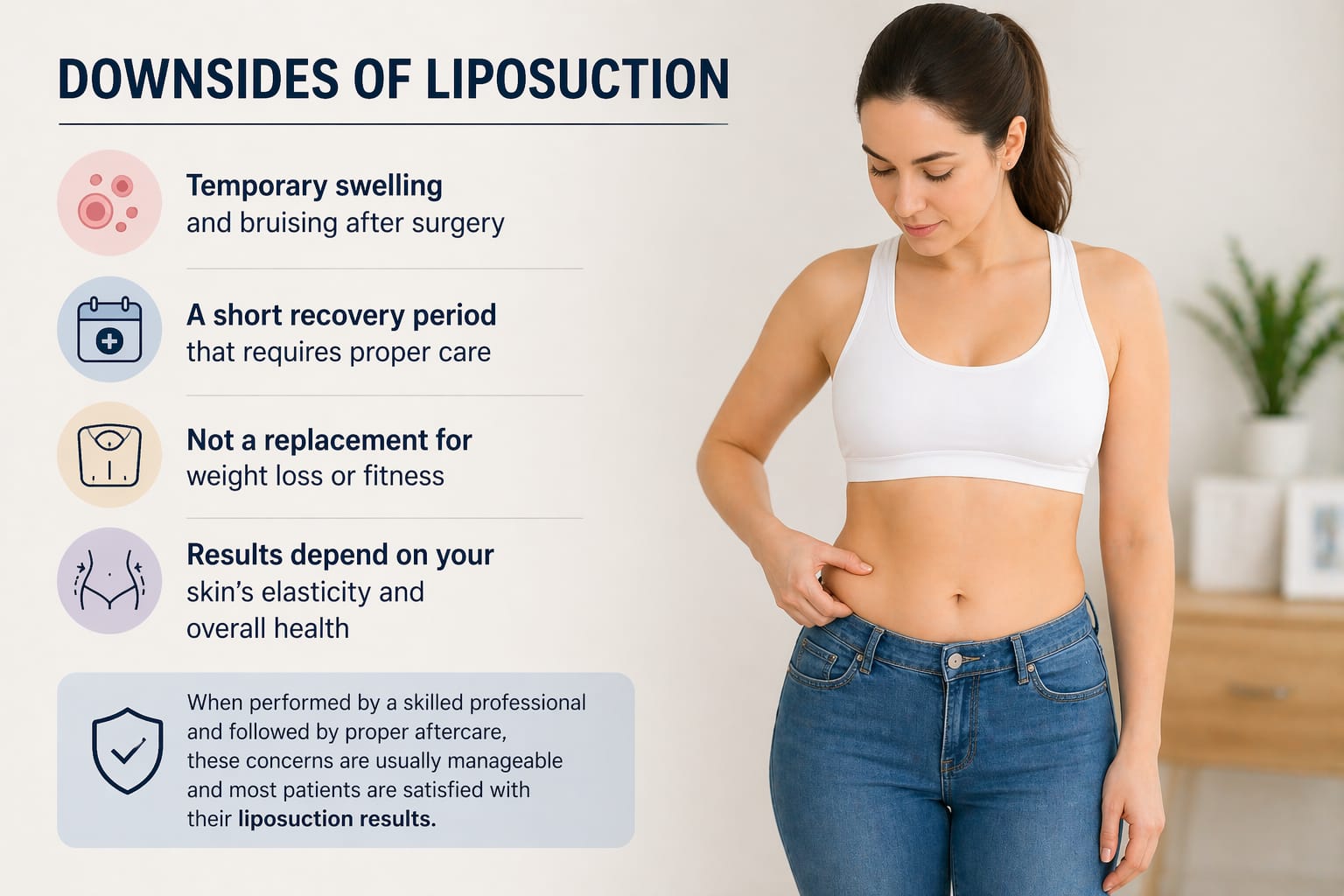
- Temporary swelling and bruising after surgery
- A short recovery period that requires proper care
- It is not a replacement for weight loss or fitness
- Results depend on your skin’s elasticity and overall health
Additionally, liposuction is designed to improve shape, not drastically reduce weight. People expecting dramatic weight loss may not achieve the desired outcome unless they understand the purpose of the procedure.
When performed by a skilled professional and followed by proper aftercare, these concerns are usually manageable, and most patients are satisfied with their liposuction results.
What Is the Hardest Fat to Get Rid Of?
Certain areas of the body tend to store fat more stubbornly than others. These areas often do not respond well to diet and exercise, which can be frustrating for many individuals.
Some of the hardest fat to get rid of includes:
- Lower belly fat
- Love handles (sides of the waist)
- Inner and outer thighs
- Upper arms
- Double chin
These areas are often influenced by genetics and hormones, making them resistant to traditional weight loss methods. This is where fat removal surgery becomes a practical solution, as it directly targets and removes these stubborn fat deposits.
Final Thoughts
Liposuction is a highly effective solution for those looking to improve their body shape and remove stubborn fat. As a fat removal surgery, it provides long-lasting results by permanently eliminating fat cells from targeted areas.
However, achieving the best outcome doesn’t end with the procedure. Maintaining your liposuction results requires a commitment to a healthy lifestyle, including proper diet, regular physical activity, and consistent self-care.
It’s also important to approach liposuction with realistic expectations. It is not a shortcut to weight loss but a tool for refining and enhancing your natural body shape. When done for the right reasons and followed by proper care, it can significantly boost confidence and overall satisfaction with your appearance.
In the end, liposuction works best as part of a long-term approach to health and wellness. With the right mindset and habits, the results can be both noticeable and lasting.
FAQs
1. Does liposuction permanently remove fat?
Yes, the fat cells removed during the procedure do not return to the treated area.
2. Can fat come back after liposuction?
Fat may accumulate in other areas if you gain weight.
3. How long do liposuction results last?
They are long-lasting and can remain for years with proper lifestyle habits.
4. Is liposuction meant for weight loss?
No, it is mainly used for body contouring and shaping.
5. Which fat is hardest to lose naturally?
Lower belly fat, thighs, and love handles are typically the most stubborn.