Pediatric plastic surgery is a specialized branch of medicine focused on improving both the appearance and function of a child’s body. It includes procedures that address congenital conditions, injuries, scars, and, in some cases, aesthetic concerns. While many people associate surgery with adults, plastic surgery for children plays an important role in helping young patients lead healthier and more confident lives.
Within this field, pediatric cosmetic surgery may be considered in select cases where a physical concern affects a child’s emotional well-being or daily life. The goal is not just appearance, but also improving comfort, function, and self-confidence. Every procedure is approached with extra care, keeping a child’s growth and development in mind.
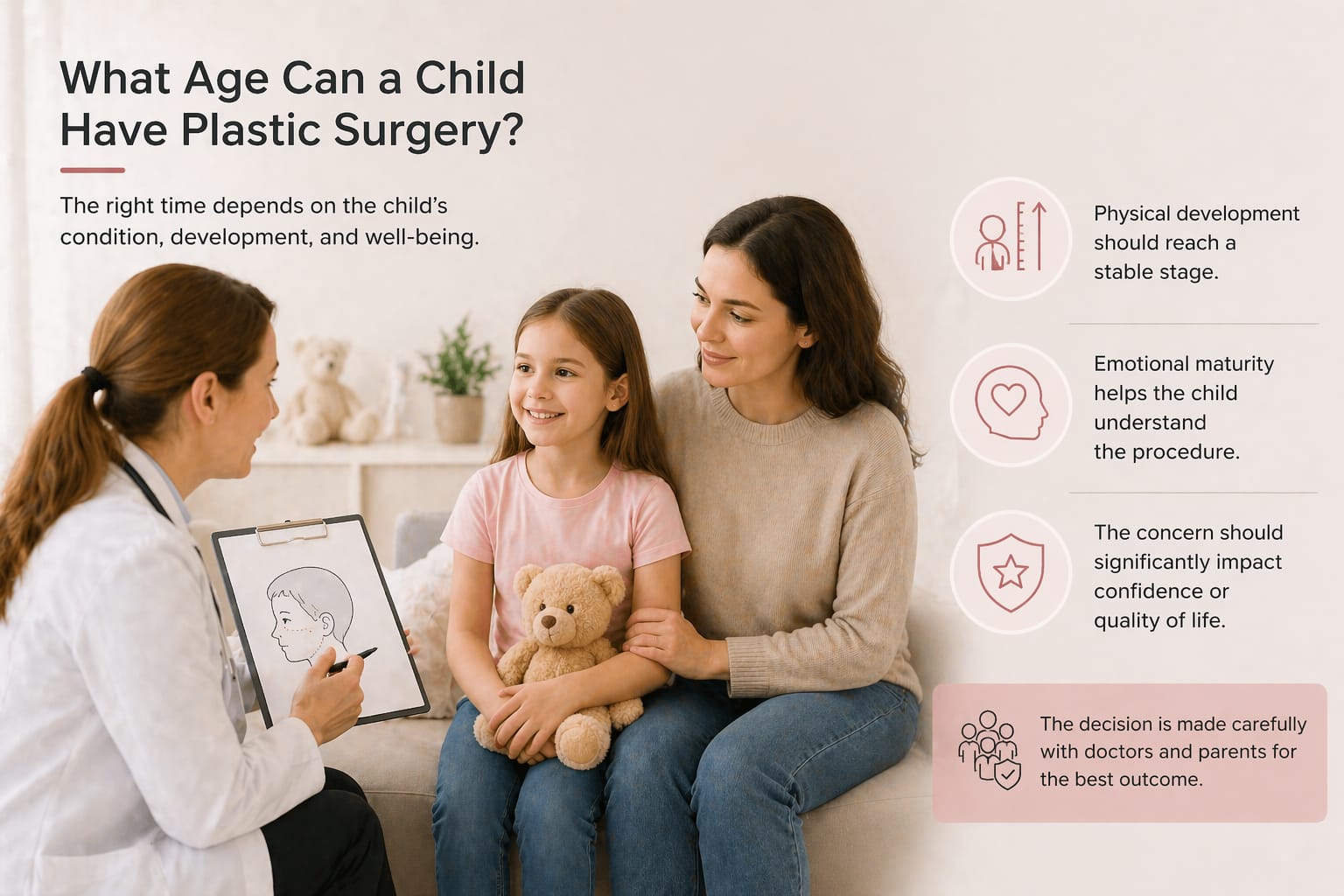
What Age Can a Child Have Plastic Surgery?
There is no fixed age for undergoing plastic surgery for children, as it depends on the condition being treated. Some procedures, such as correction of birth defects like cleft lip or palate, may be performed during infancy. Others, particularly those related to appearance, are usually delayed until the child is older.
In cases of pediatric cosmetic surgery, doctors often recommend waiting until:
- The child’s physical development has reached a stable stage
- The child is emotionally mature enough to understand the procedure
- The concern significantly affects confidence or quality of life
The decision is always made carefully, involving both medical professionals and parents to ensure the best outcome.
Can Plastic Surgery Fix Scars?
Yes, one of the most common reasons for plastic surgery for children is scar treatment. Scars caused by burns, injuries, or previous surgeries can sometimes affect both function and appearance.
Procedures under pediatric cosmetic surgery can help:
- Reduce the visibility of scars
- Improve skin texture and flexibility
- Restore a more natural appearance
Scar revision techniques vary depending on the severity and location of the scar. In many cases, these procedures can significantly improve a child’s confidence and comfort.
What Are the Top 3 Riskiest Surgeries?
All surgeries carry some level of risk, but certain procedures are more complex than others. In general, surgeries involving vital organs or major systems are considered higher risk, such as:
- Heart surgeries
- Brain surgeries
- Organ transplants
Compared to these, plastic surgery for children is usually less risky when performed by experienced specialists. Procedures related to pediatric cosmetic surgery are planned carefully, with safety as the top priority.
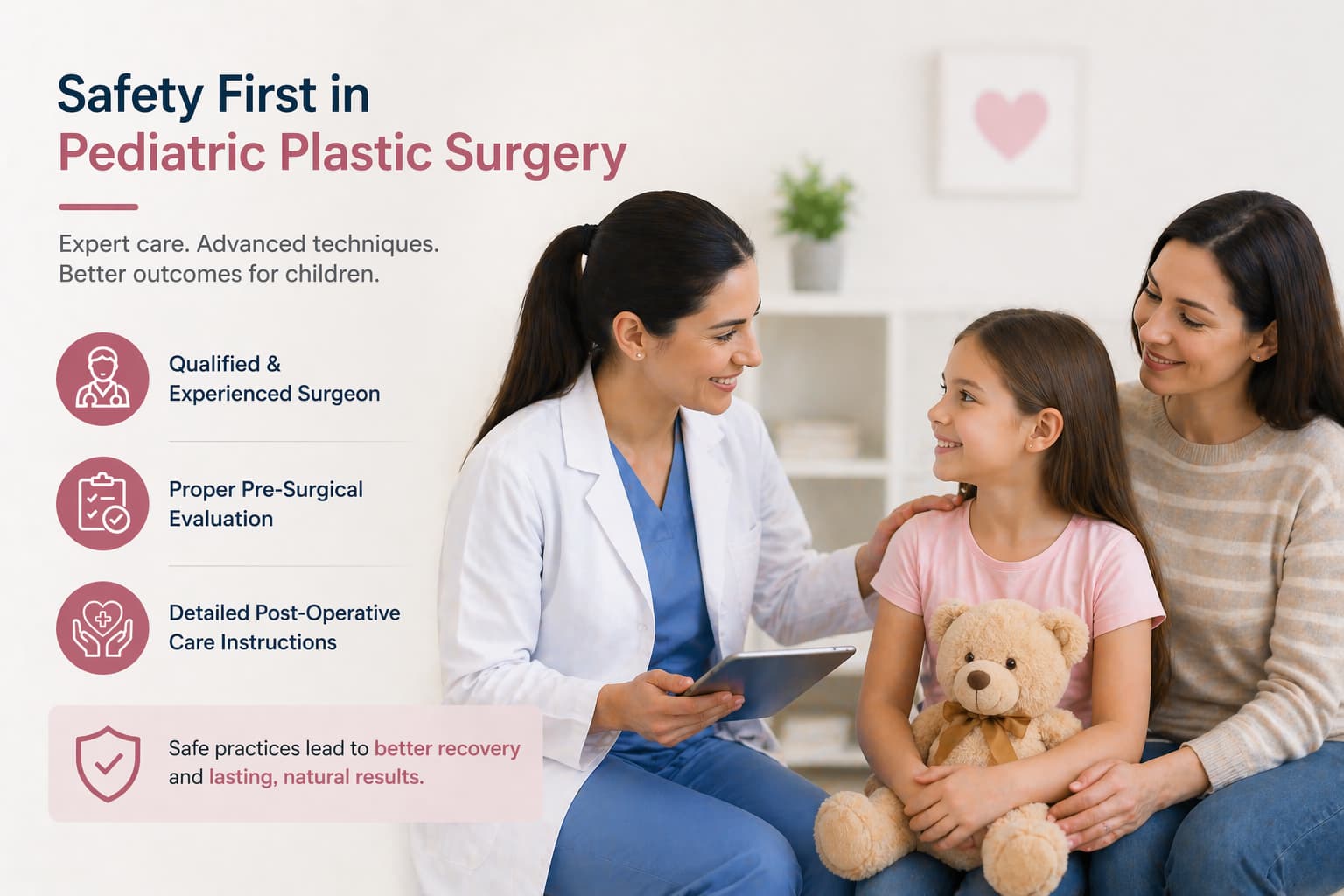
Safety and Considerations in Pediatric Plastic Surgery
Safety is always the primary concern in any procedure involving children. Advances in medical technology and surgical techniques have made plastic surgery for children safer and more effective than ever before.
Key factors that ensure safety include:
- Choosing a qualified and experienced surgeon
- Proper pre-surgical evaluation
- Following detailed post-operative care instructions
When these elements are in place, both reconstructive procedures and pediatric cosmetic surgery can provide positive and lasting results.
Can Type 2 Diabetics Have Plastic Surgery?
Children with medical conditions like diabetes can still be considered for plastic surgery for children, but extra precautions are necessary. Proper evaluation and planning are essential to ensure safety.
When it comes to pediatric cosmetic surgery, doctors typically assess:
- Blood sugar control
- Overall health condition
- Healing ability
Well-managed diabetes reduces the risk of complications. Close monitoring before and after surgery helps ensure a safe and smooth recovery process.
Final Thoughts
Pediatric plastic surgery is about more than appearance—it’s about improving a child’s quality of life. Whether it’s correcting a congenital condition, treating scars, or addressing concerns that affect confidence, plastic surgery for children plays a meaningful role in overall well-being.
In selected cases, pediatric cosmetic surgery can help children feel more comfortable in their own skin, especially when physical concerns impact their self-esteem. However, every decision must be made thoughtfully, with guidance from experienced professionals and support from family.
With the right approach, careful planning, and proper care, pediatric plastic procedures can deliver safe, effective, and life-changing outcomes.
FAQs
1. What is pediatric plastic surgery?
It is a medical specialty focused on improving appearance and function in children through surgical procedures.
2. Is plastic surgery safe for children?
Yes, when performed by experienced professionals with proper care, it is generally safe.
3. Can scars be treated in children?
Yes, scar revision procedures can improve both appearance and function.
4. At what age can children have surgery?
It depends on the condition, but some procedures are done early while others are delayed.
5. Is pediatric cosmetic surgery common?
It is less common than reconstructive surgery but is considered in specific cases.