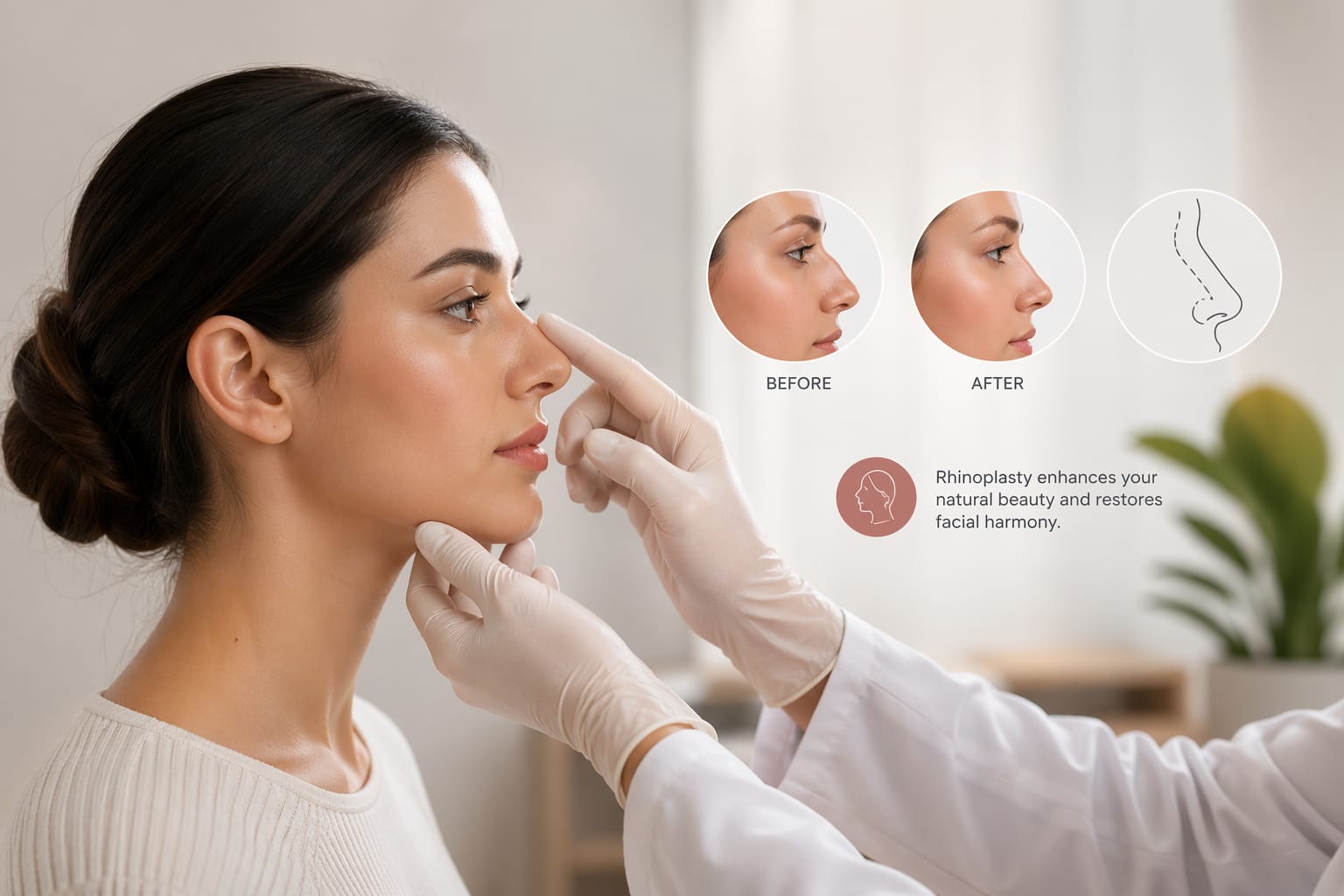
A nose job, medically known as rhinoplasty, is a widely performed cosmetic procedure that focuses on improving both the appearance and function of the nose. This type of nose reshaping surgery is chosen by individuals who want better facial balance, correction of structural concerns, or enhanced confidence. Whether the goal is aesthetic improvement or functional correction, nose reshaping surgery is tailored to suit each individual’s facial features and expectations.
Along with the procedure itself, understanding recovery and following proper post rhinoplasty care is essential. Good aftercare not only supports healing but also plays a major role in achieving long-lasting and natural-looking results after nose reshaping surgery.
What Is the Process of Getting a Nose Job?
The process begins with a detailed consultation, where the surgeon evaluates your facial structure and discusses your desired outcome. This step is crucial in planning a successful nose reshaping surgery that aligns with your expectations.
The procedure typically involves:
- Administering anesthesia for comfort
- Making precise incisions inside or outside the nose
- Reshaping the bone and cartilage
- Closing the incisions carefully
After surgery, a splint is often placed to support the new structure. At this stage, following proper post rhinoplasty care becomes very important to reduce swelling and support healing after nose reshaping surgery.
How Painful Is a Nose Job?
A common concern is whether the procedure is painful. Most patients report that nose reshaping surgery is not extremely painful due to the use of anesthesia during the procedure.
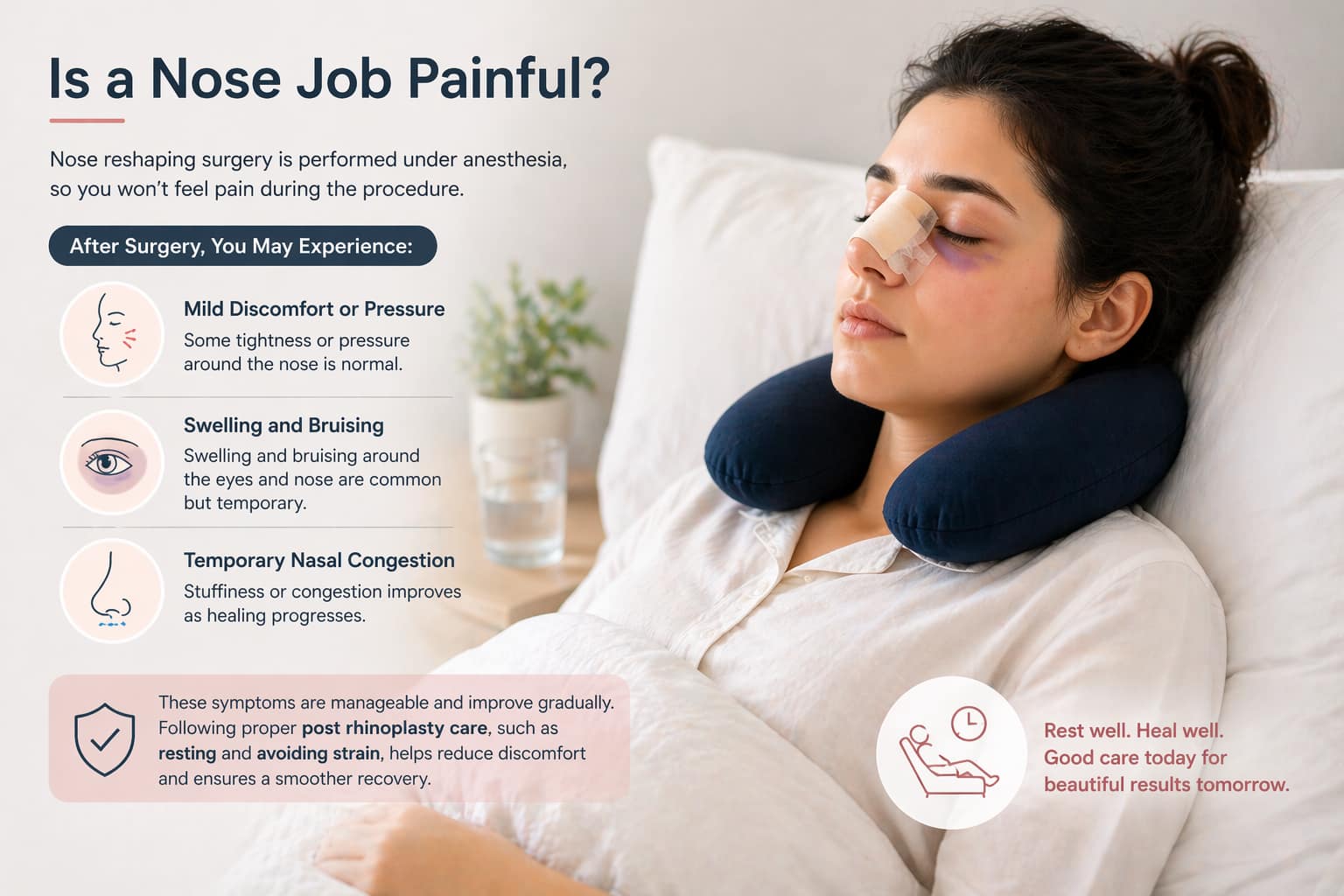
After surgery, patients may experience:
- Mild discomfort or pressure
- Swelling and bruising
- Temporary nasal congestion
These symptoms are manageable and improve gradually. Following proper post rhinoplasty care, such as resting and avoiding strain, helps reduce discomfort and ensures a smoother recovery after nose reshaping surgery.
Is Nose Job 100% Safe?
No surgical procedure can be considered completely risk-free. However, nose reshaping surgery is generally safe when performed by a qualified and experienced surgeon.
Safety depends on:
- The surgeon’s expertise
- Proper pre-surgical evaluation
- Careful adherence to post rhinoplasty care
Minor side effects like swelling or bruising are common but temporary. Serious complications are rare, especially when proper care is taken before and after nose reshaping surgery.
What Happens 10 Years After Rhinoplasty?
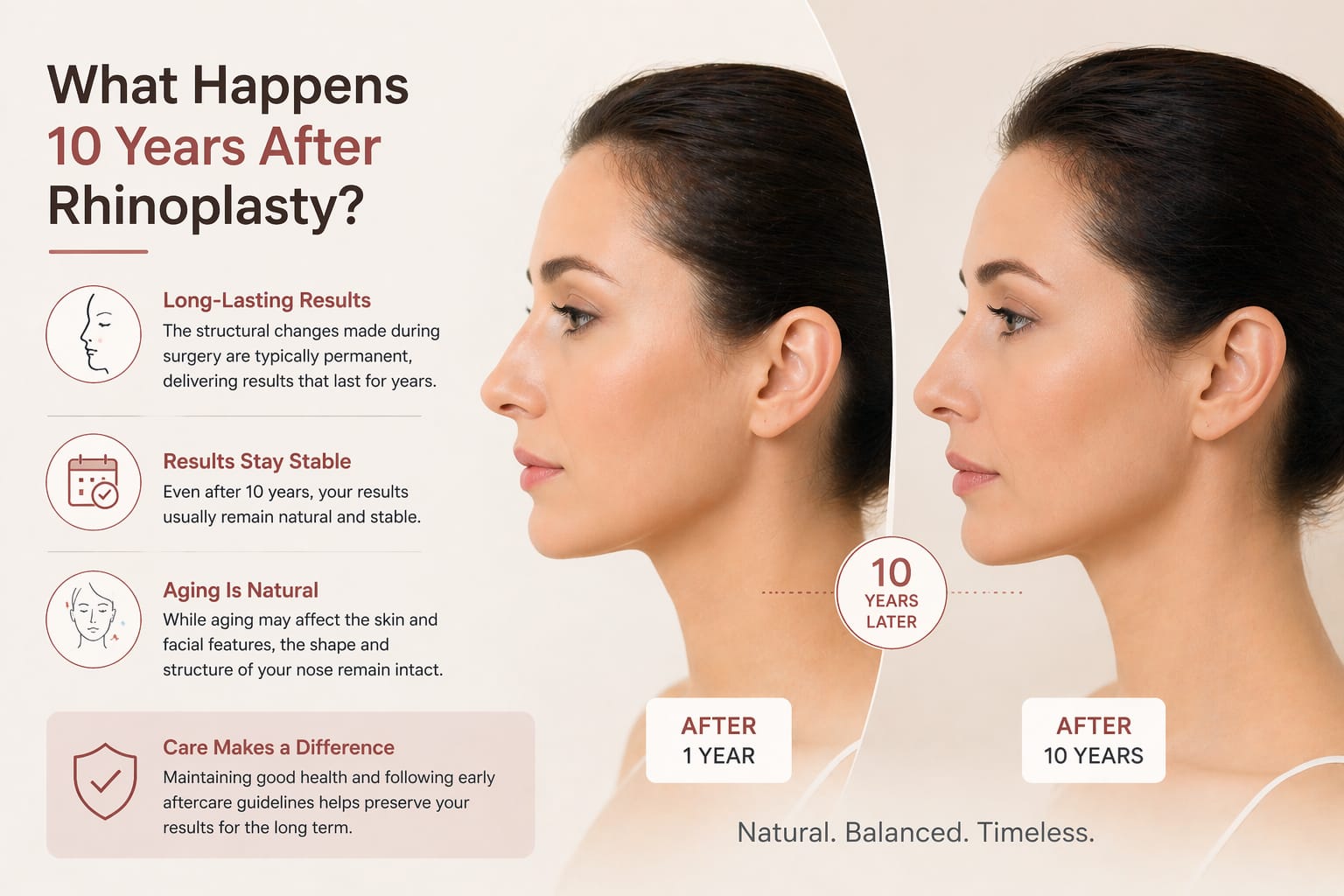
One of the biggest advantages of nose reshaping surgery is its long-lasting results. The structural changes made during the procedure are typically permanent, allowing patients to enjoy improved facial balance for years.
Even after 10 years, results usually remain stable. However, natural aging may still affect skin and facial features over time. Maintaining good health and following early post rhinoplasty care guidelines can help preserve the results of nose reshaping surgery for the long term.
Final Thoughts
A nose job is more than just a cosmetic change it is a carefully planned procedure that can improve both appearance and confidence. When performed with precision and care, it offers long-term benefits and enhances overall facial balance.
Understanding the process, recovery, and the importance of proper aftercare helps set realistic expectations and ensures better outcomes. Patients who follow recommended care routines often experience smoother healing and more satisfying results.
With the right surgeon, proper planning, and consistent care, the procedure can provide natural, balanced, and long-lasting improvements. It becomes not just a physical transformation but also a step toward greater confidence and comfort in your own appearance.
FAQs
1. What is a nose job procedure?
It is a surgical method used to reshape and improve the appearance or function of the nose.
2. Is rhinoplasty painful?
It involves mild discomfort after surgery, but it is manageable and temporary.
3. Is a nose job safe?
Yes, when performed by an experienced surgeon, it is generally safe.
4. How long do results last?
Results are long-lasting and often permanent.
5. What is important after surgery?
Following proper aftercare instructions is essential for healing and achieving the best results.